One of the defining shifts in digital marketing in 2026 is the movement of brand dollars away from celebrity influencers and toward clusters of smaller, niche creators — and multiple industry analyses published this year confirm that the performance data is driving the change. According to reporting from Ad Age and research published by Impact.com, micro-creators with followings between 10,000 and 100,000 have emerged as one of the most cost-effective performance channels in the influencer marketing landscape.
The trend reflects a broader recalibration of how brands measure influencer ROI — one that prioritizes trust and conversion over raw reach. "Micro-creators have audiences that actually trust them," one agency executive told Ad Age. "That trust translates into purchase behavior in a way that a celebrity post simply doesn't replicate at the same rate."
Why Celebrity Influencer Campaigns Are Losing Ground
The shift is documented in detail by NewEngen's June 2026 influencer marketing trend report, which identifies authenticity as the dominant competitive variable in current influencer marketing. As AI-generated content becomes more prevalent across social platforms, audiences are increasingly attuned to the difference between genuine creator voice and paid promotional content — a distinction that tends to be more visible at the celebrity level, where audience skepticism is higher.
The report also notes the rise of Answer Engine Optimization (AEO) as a new factor reshaping influencer value. AI search tools — including ChatGPT, Perplexity, and Google AI Overviews — are increasingly drawing on creator content to inform their responses. Brands that want to be surfaced in AI-generated recommendations are finding that niche creator content, which AI engines appear to weight heavily, is more effective than broad celebrity campaigns for achieving that goal.
The Creator Ecosystem Model
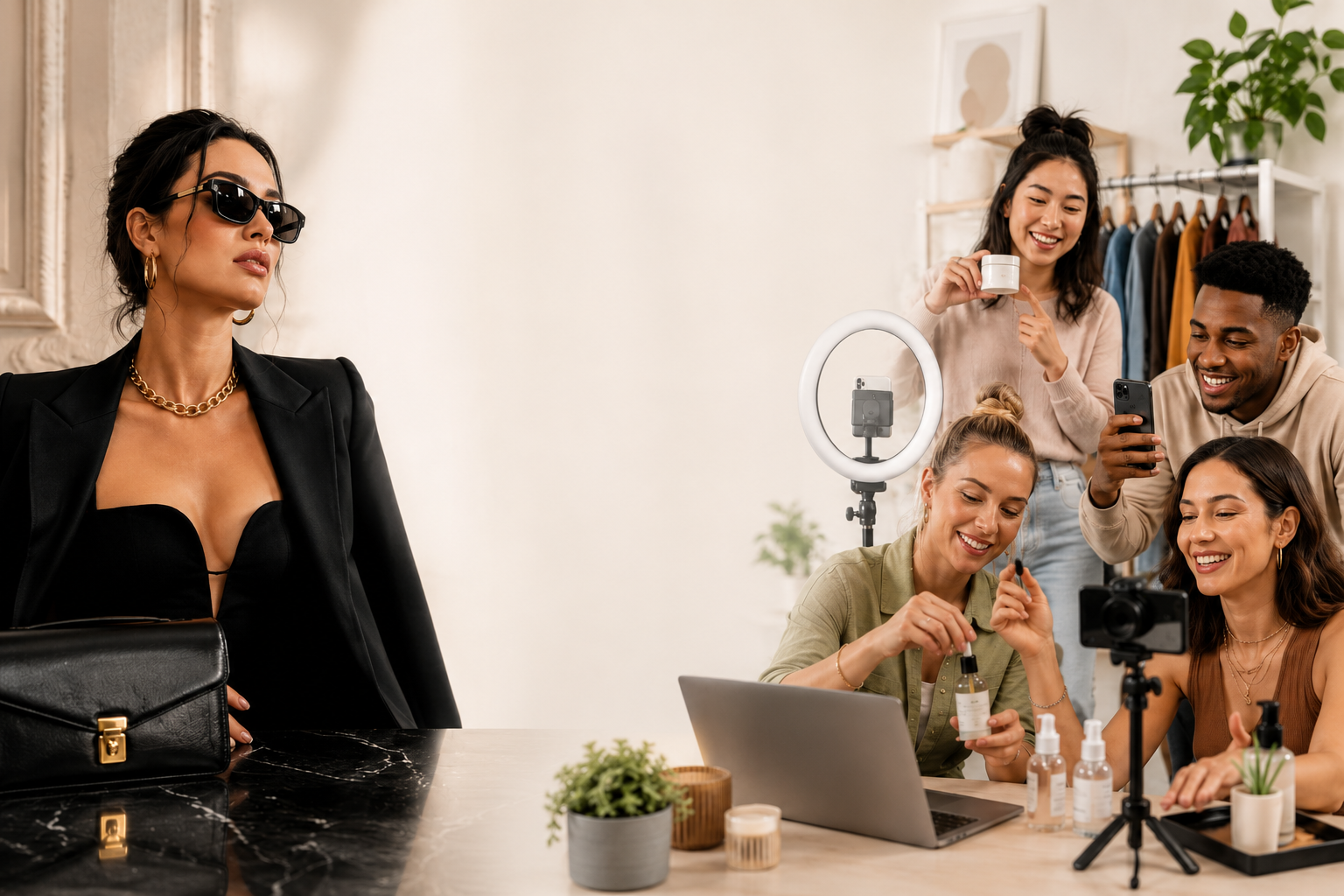
Rather than a single major influencer partnership, brands are increasingly deploying what the industry is calling "creator ecosystems" — coordinated campaigns across 10 to 15 micro-creators with tightly aligned audiences. This approach distributes risk, increases total reach through combined audience sizes, and generates multiple authentic-seeming content touchpoints across a single campaign period.
Per Impact.com's 2026 influencer marketing trends report, brands using creator ecosystem models are reporting higher conversion rates than equivalent celebrity-campaign spending in most product categories tested.
"The math has changed. A cluster of 15 micro-creators at 50K followers each often outperforms a single influencer at 3 million — and at a fraction of the cost."— Influencer marketing agency executive, via Ad Age, June 2026
What This Means for Creators
For creators in the 10K–100K range, the shift represents a significant commercial opportunity. Platforms including Net Influencer have tracked an increase in brand outreach to mid-tier creators in the first half of 2026, with Meta, TikTok, and consumer brands including Coca-Cola and Duolingo posting director-level influencer marketing roles that reflect a more sophisticated and data-driven approach to creator partnerships.
What's Next
The shift toward micro-creators is expected to continue through the second half of 2026 as more brands publish performance comparisons from their 2025 campaigns. Follow LoudDrip for the latest in influencer marketing and creator economy news.