By Loud Drip Staff
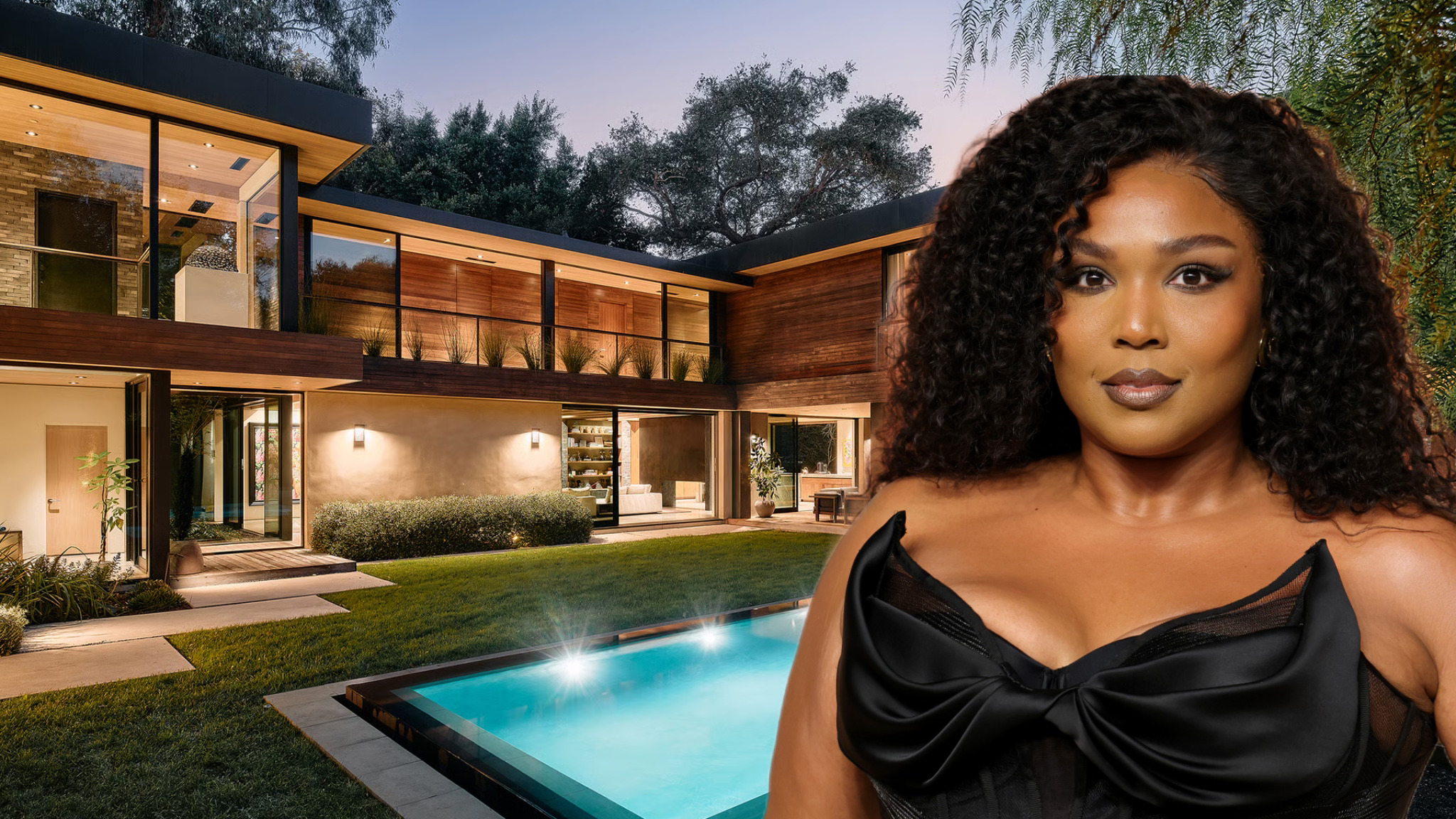
Lizzo mansion sale has finally closed after a long struggle to find a buyer, with the singer reportedly taking about a $3.9 million loss on the Beverly Hills property. The sale lands as celebrity real estate keeps doubling as public image, market signal, and career shorthand.
What we know: Lizzo’s Beverly Hills home sold for about $11.15 million after first being listed in December 2024 for just under $16 million. Realtor.com and The Real Deal both reported that she bought the property for $15 million in 2022, putting the loss at roughly $3.9 million, or about A$5.4 million.
What to watch: The sale closes out one high-profile chapter in Lizzo’s real-estate portfolio, but it also leaves open a bigger question around celebrity housing in Los Angeles: whether prestige ownership still carries the same resale confidence in a tougher luxury market. Recent reporting has pointed to pressure from high rates, global uncertainty, and a slower top-end market.
Lizzo mansion sale is finally over, but not on the kind of terms celebrity real-estate headlines usually celebrate. After spending more than a year trying to sell her Beverly Hills home, Lizzo has closed on a deal for about $11.15 million, according to Realtor.com and The Real Deal. Both outlets reported that she bought the property for $15 million in 2022, leaving her with a loss of roughly $3.9 million, or about A$5.4 million at the exchange framing used by Australian outlet Realestate.com.au.
The property had been sitting on the market long enough to become its own slow-moving celebrity story. Realtor.com reported that Lizzo first listed the home in December 2024 for $15.99 million, then cut the price multiple times before it was most recently asking $12.5 million. Mansion Global reported earlier this month that the house had gone pending, and Realtor.com later reported that the final sale price landed even lower than the latest ask.
The house came with enough glamour to look like an easy sell on paper. Built in 2018 inside Beverly Hills’ Oak Pass Road enclave, the three-bedroom, five-bath residence sits on about a third of an acre and includes a private studio or office, theater room, gym and wellness area, terraces, a saltwater infinity pool, and broad canyon views. Realtor.com also noted that the home stands on the same parcel where Harry Styles once owned a different house before that earlier structure was demolished and replaced.
That kind of celebrity lineage usually helps a listing travel. Instead, the home became an example of how star power does not guarantee a quick exit, especially when the price starts above what buyers are willing to absorb. Realtor.com reported that the asking price fell steadily over the course of the listing, while The Real Deal said the deal ultimately closed on April 13 at around $11.2 million, well below the original ask and below what Lizzo paid.
The timing gives the sell a little more weight than a routine celebrity home transaction. Lizzo has spent the last several years occupying a complicated space in public culture: still commercially recognizable, still a headline name, but also moving through a period where every business or image move gets read more closely than it once did. A house sale on its own does not tell the whole story of a celebrity’s finances or priorities, but high-profile real estate has long functioned as a public symbol of momentum, confidence, and lifestyle branding. A steep loss changes the tone.
The broader market context matters too. Reporting on Beverly Hills luxury sales this week has described a high-end Los Angeles market still dealing with expensive financing, global uncertainty, and buyers who are less willing to chase trophy prices just because a famous name is attached. The Wall Street Journal reported on a separate Beverly Hills sale that the luxury market in Los Angeles has been pressured by high interest rates and broader uncertainty, even as select neighborhoods continue to attract demand. In that environment, a celebrity seller can still get attention without getting the number they wanted.
The sale also undercuts the fantasy that every celebrity property is a built-in win. Lizzo bought the house at a moment when celebrity real estate still carried a strong aura of premium scarcity. By the time she tried to sell, the mood had shifted. What remained attractive about the home, its privacy, architecture, and famous ownership trail, was no longer enough to keep the value where she may have hoped it would stay. Realtor.com described the home as a “modern sanctuary” with heavy indoor-outdoor design and a secluded feel, but even that pitch met a harder market than expected.
Lizzo’s home sale does not arrive as a collapse, and it should not be overstated as one. Celebrities buy and sell property for all kinds of reasons, and public reporting on a single deal does not show the full financial picture behind it. What the sale does show is that even top-tier celebrity branding has limits when a luxury listing stays parked too long and price cuts start stacking up. Once that happens, the mystique around a property can start to work in reverse.
Lizzo now exits the Oak Pass chapter with a closed sale, a lower number than expected, and one of the clearer recent reminders that celebrity real estate is still real estate. Fame may get people to click on the listing. It does not force a buyer to meet the ask.