BTS Comeback Concert Takes Over Seoul – Loud Drip
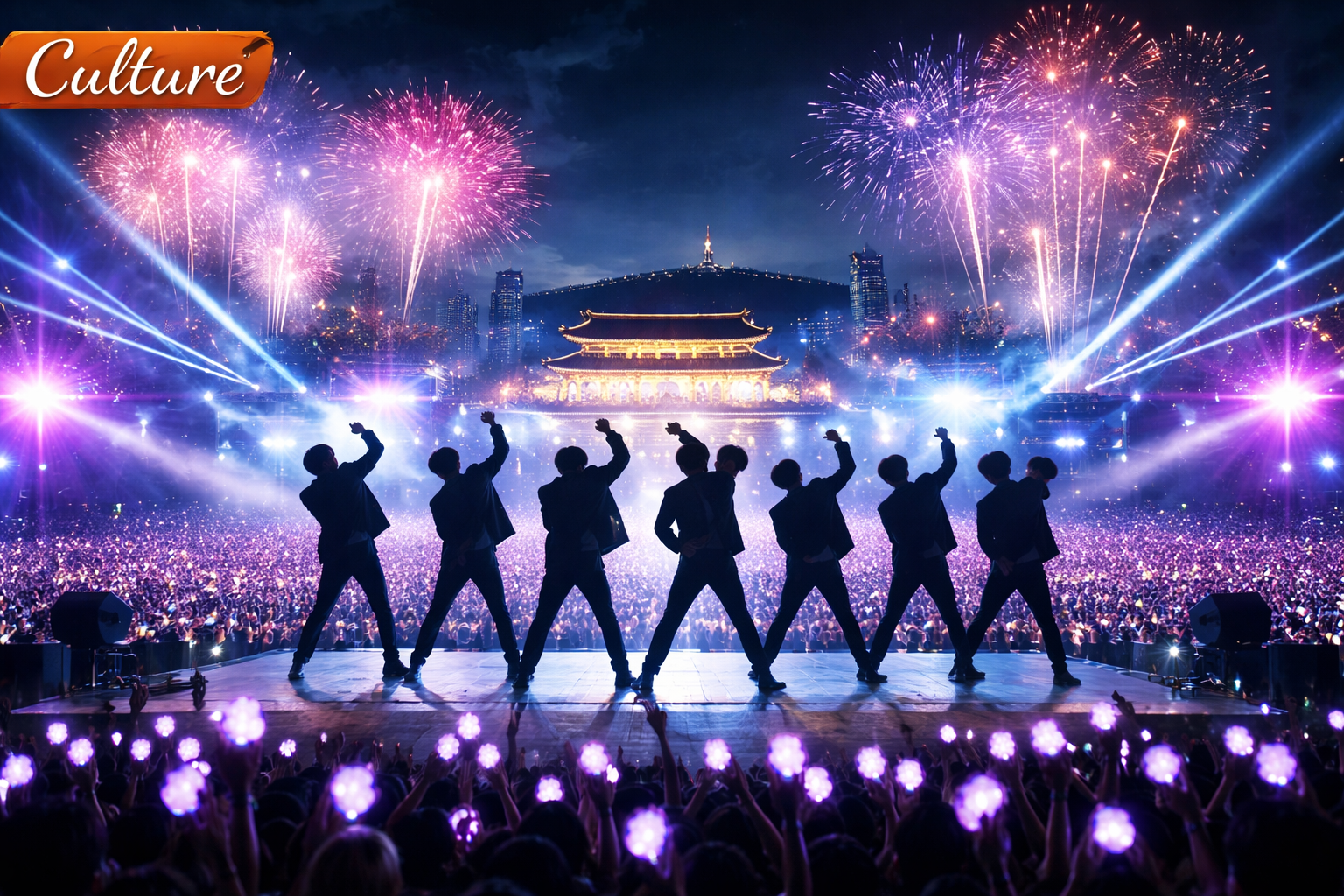
BTS comeback concert weekend has officially arrived, and Seoul is treating it like a national event — because in 2026, that’s basically what it is. The group’s highly anticipated return to the stage is centered on Gwanghwamun Square, a symbolic landmark in the heart of the city, and it’s being positioned as more than a performance: it’s a cultural checkpoint for K-pop’s global machine and the next phase of how concerts get delivered to the world.
The headline detail is the one that tells you how big this is: the show is set up as a major live event with global distribution, with Netflix streaming the concert internationally in what Reuters describes as the company’s first global broadcast of a music concert — a sign that the streaming wars are now aggressively chasing “live” moments, not just libraries.
A comeback designed like a global product launch

This isn’t just a “BTS is back” moment. It’s a fully coordinated rollout — city branding, platform strategy, and a live audience experience built for viral replay. Reporting around the event points to large-scale turnout expectations and significant planning around crowd management and safety.
And that safety piece matters, because it also explains one of the most debated details: multiple reports indicate the performance is planned as a one-hour set, a decision tied to crowd-control and safety concerns at a central public square.
That one-hour runtime will inevitably frustrate fans who want a full-length stadium show — but strategically, it makes the event tighter, more broadcast-friendly, and more likely to behave like a premium “live special” rather than a standard concert. In other words: this is built as a global moment, not just a local show.
Why Gwanghwamun Square is the perfect setting
Gwanghwamun isn’t just a big outdoor space. It’s political, historical, and symbolic — the kind of location that visually communicates “this matters.” Associated Press reporting around the event has emphasized the comeback framing and the size of the cultural moment, with international pickup reflecting how broadly this story is moving.
From a culture perspective, this is also a statement about where K-pop power sits in 2026. The “K-pop is mainstream” debate is old. The real shift is that K-pop’s biggest acts now operate with the logistics and reach of global sports leagues — and this weekend is another example.
Netflix, live events, and the next phase of fandom
Netflix pushing into live concerts isn’t random — it’s a calculated bet that fandom behaves like appointment TV. Reuters frames the BTS comeback concert as part of Netflix’s expanding interest in live events, and this show is being treated as the kind of spectacle that can draw audiences in real time across regions.
For Loud Drip readers, the bigger question is what this does to the power map:
- If Netflix wins, concerts become streamable “global premieres,” with platforms competing for exclusives the way they compete for sports rights.
- If artists win, they gain another leverage point — negotiating distribution, sponsorship, and global access without relying on legacy TV networks.
- If fans win, major performances become more accessible — but potentially more “platform gated” depending on who holds the rights.
The subtext is simple: the concert is the product, but the distribution is the strategy.
What comes next: tour energy and an entire ecosystem
Beyond the show itself, reporting connects the concert to a broader comeback cycle that includes a new release era and the start of a global tour.
And that matters because tours don’t just drive ticket sales — they drive everything:
- streaming spikes
- merch and licensing waves
- brand partnerships
- tourism demand (especially in Seoul)
- fan travel economies in every tour city
When an act at this scale returns, it doesn’t just “drop music.” It restarts a global business ecosystem.
Loud Drip take
This BTS comeback concert is a case study in where entertainment is headed: live, global, platform-powered, and engineered for maximum replay.
The “one-hour” detail might feel short in the moment — but from a modern media standpoint, it’s designed to hit harder, travel faster, and live longer online. If the goal is to make the comeback unavoidable, the structure makes sense: central location, heavy planning, global stream, and a narrative that turns a performance into a cultural headline.
And whether you’re a fan, a skeptic, or someone watching the business of attention, the takeaway is the same:
BTS comeback concert weekend is not just a show — it’s a blueprint.
More Like This: