By Zaire Collins
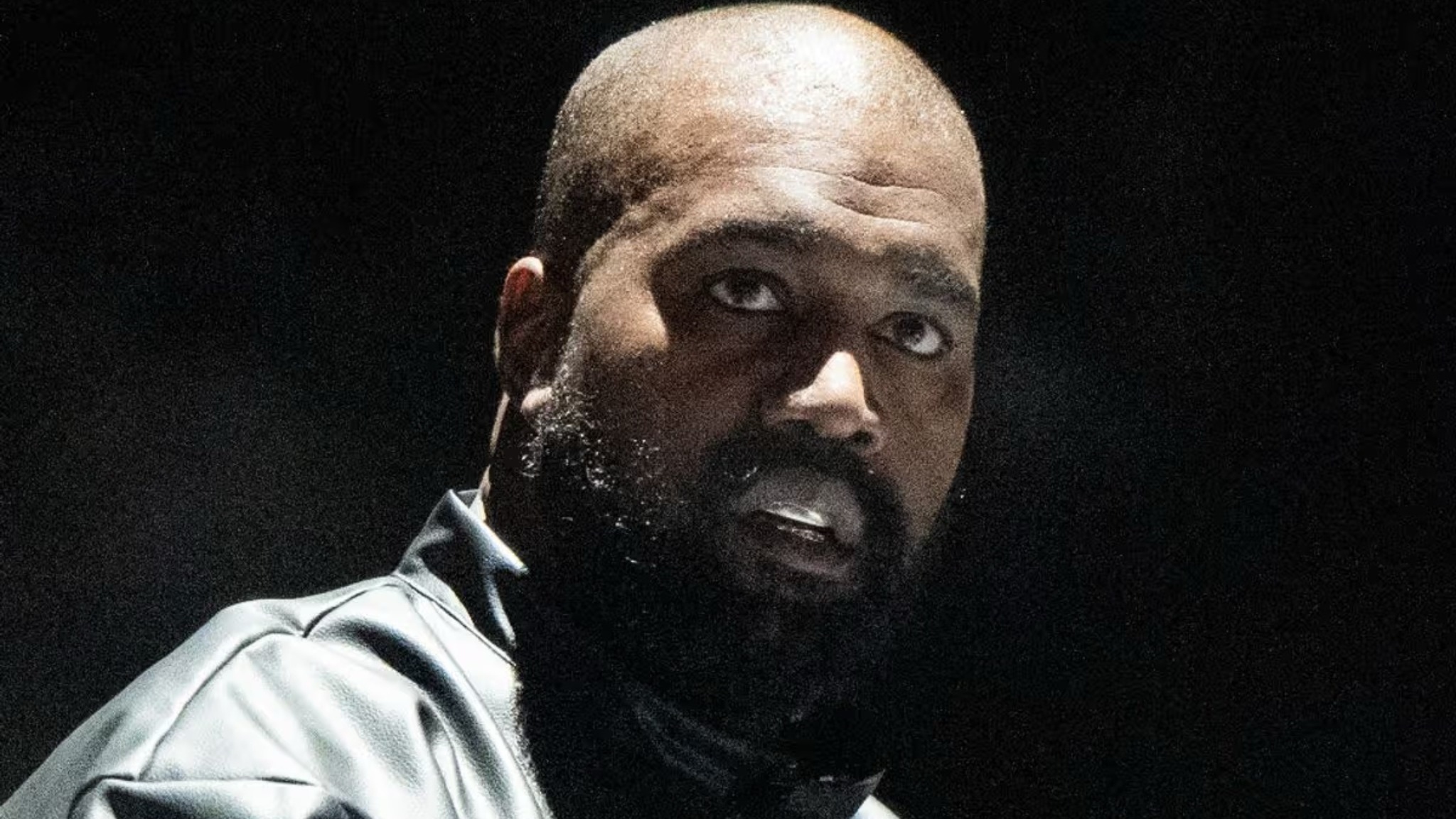
Ye Wireless Festival fallout escalated on April 7 after the U.K. blocked Ye from entering the country and Wireless canceled the event. The moment matters beyond one lineup change because it puts the industry’s tolerance for controversy, sponsorship risk and public pressure under a harsher spotlight.
What we know:
Wireless Festival 2026 was canceled after U.K. authorities blocked Ye, formerly Kanye West, from entering the country. Multiple outlets reported the Home Office concluded his presence would not be “conducive to the public good,” and Festival Republic said ticket holders would receive refunds.
What to watch:
The bigger question now is how promoters, sponsors and audiences respond the next time a major event bets on a star whose notoriety is inseparable from repeated public controversy. The cancellation also raises fresh questions about whether apology campaigns can rebuild institutional trust once political pressure and sponsor exits begin.
Ye Wireless Festival plans collapsed on April 7 after the U.K. blocked Ye from entering the country, forcing Wireless Festival to cancel a three-day event that had been built around him as the headliner. Reuters reported that Festival Republic confirmed the cancellation after British authorities barred the rapper’s entry, while AP and other outlets said the government determined his presence would not be conducive to the public good.
That is the immediate news. The larger culture story is what the collapse says about how far star power can still carry a booking once sponsors, politicians and public institutions start moving in the opposite direction.
Ye had been scheduled to headline all three nights of Wireless in London’s Finsbury Park in July, a booking that drew heavy backlash almost as soon as it was announced. Reuters and AP both reported that criticism centered on Ye’s history of antisemitic remarks and other conduct that had already made him one of the most polarizing figures in popular culture.
Before the cancellation, Festival Republic’s Melvin Benn had defended the booking and argued that people should allow room for forgiveness and second chances. The Guardian reported that Benn said the festival was booking Ye to perform music rather than endorse his views, even as pressure grew from politicians and advocacy groups.
That defense did not hold once the backlash widened. Reuters reported that major sponsors including Pepsi, Diageo and PayPal pulled back, and British political figures publicly criticized the decision to platform Ye at all. AP similarly reported that the booking had become a national controversy rather than a routine festival announcement.
The sequence matters because it shows how entertainment power now works in public. It is not just fans buying tickets or artists drawing headlines. A major event depends on sponsors, regulatory tolerance, venue logistics, public safety calculations and brand risk. Once those pieces start breaking apart, even a headline act with enormous name recognition can become commercially unworkable. That conclusion is an inference drawn from the sponsor withdrawals, political criticism and government action reported across outlets.
The Ye part of the story is also bigger than one festival. For years, he has remained a uniquely difficult case for the culture business: too famous to ignore, too controversial for institutions to treat as normal. His celebrity has never depended on approval alone. It has often fed on outrage, fascination and spectacle. But this episode suggests there is still a hard limit when institutional gatekeepers decide the reputational cost is too high.
Several reports noted that Ye had recently tried to present a more conciliatory stance. Reuters said he expressed a desire to meet with the U.K.’s Jewish community and attributed past behavior to an undiagnosed brain injury and untreated bipolar disorder. Other outlets referenced earlier apologies and public statements disavowing antisemitic beliefs. But officials and advocacy groups were not persuaded that those efforts outweighed the broader pattern.
That tension is why the story has cultural weight. It is not simply about whether a controversial artist deserves another chance. It is about who gets to decide when redemption is credible: the artist, the promoter, the audience, sponsors, advocacy groups or the state. In this case, the answer ended up being a mix of all of them, with government authority making the final call.
There is also a media lesson here. Wireless did not lose control of the narrative because people were confused about what Ye represents in 2026. It lost control because the booking made that question unavoidable. Once the festival tried to separate the music from the baggage, the baggage became the story. That left little room for a normal promotional cycle, especially after sponsors began stepping away and the U.K. government intervened. That assessment is based on the sequence of events described in Reuters, AP and Guardian coverage.
For Loud Drip, the significance is clear: entertainment companies still talk about controversy like something they can manage with messaging, but this case shows that some reputational problems are structural, not cosmetic. Ye remains famous enough to dominate attention, but that does not mean institutions are willing to absorb the consequences of attaching themselves to him.
Wireless now becomes less a story about a canceled festival than a warning about the limits of celebrity immunity. In an industry that often bets on outrage because outrage drives attention, this is what it looks like when attention stops converting into stability and starts producing institutional retreat instead.
More Like This: